Why Name Practice Matters in Preschool (and 10 Fun Low-Prep Ideas)
If you teach preschool or have young children at home, chances are you’ve wondered at some point: Should my child be able to write their name yet?

Name practice is often one of the first “academic” skills we teach in preschool, but it can feel tricky to know what’s developmentally appropriate, how often kids should practice, or how to make it fun instead of frustrating.
The truth is, name practice is about so much more than learning to write letters neatly on a line. When preschoolers work with their names, they’re building early literacy skills, strengthening fine motor muscles, and developing a sense of confidence and ownership over their learning. Best of all, name practice can (and should!) be playful, hands-on, and low pressure.
Let’s take a look at why name practice matters in preschool, what skills support it, and some easy, low-prep ways to make it stick.
And if you love having easy, print-and-go options on hand, I’ll also share a few resources that you may find helpful along the way.
DISCLOSURE: THIS POST MAY CONTAIN AFFILIATE LINKS, MEANING I GET A COMMISSION IF YOU DECIDE TO MAKE A PURCHASE THROUGH MY LINKS, AT NO COST TO YOU. PLEASE READ MY TERMS OF USE POLICY FOR MORE INFO.
The Big Reasons Name Practice Matters
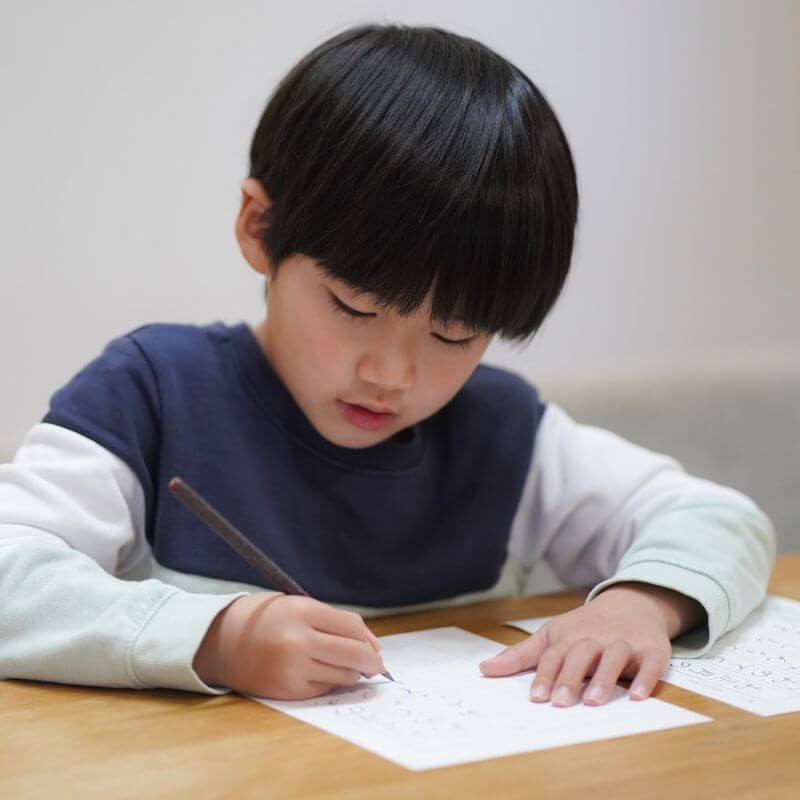
1. Kids connect to their name emotionally. A child’s name is one of, if not the most, meaningful words they know. Because it matters to them, it’s usually easier to teach letters and letter order using their own name.
2. It builds early letter recognition. Name letters are often the first letters a child recognizes. And learning these letters makes learning other letters easier later!
3. It supports sound awareness (phonemic awareness). Learning to read is made up of a series of predictable steps, the first of which is hearing sounds, and then matching sounds to letters. A child’s name is the perfect place to practice these skills!
4. It strengthens fine motor skills. Tracing, building, cutting, and writing name letters all work the muscles needed for handwriting.
5. Name writing is a HUGE functional skill in school settings. Children will need to be able to write their names to label artwork, write their names on worksheets, participate in classroom routines, and feel independent in class.
6. It boosts confidence. Kids LOVE seeing their name on walls, crafts, cubbies, and projects, and know THEY wrote it. It reinforces “I can do this!”
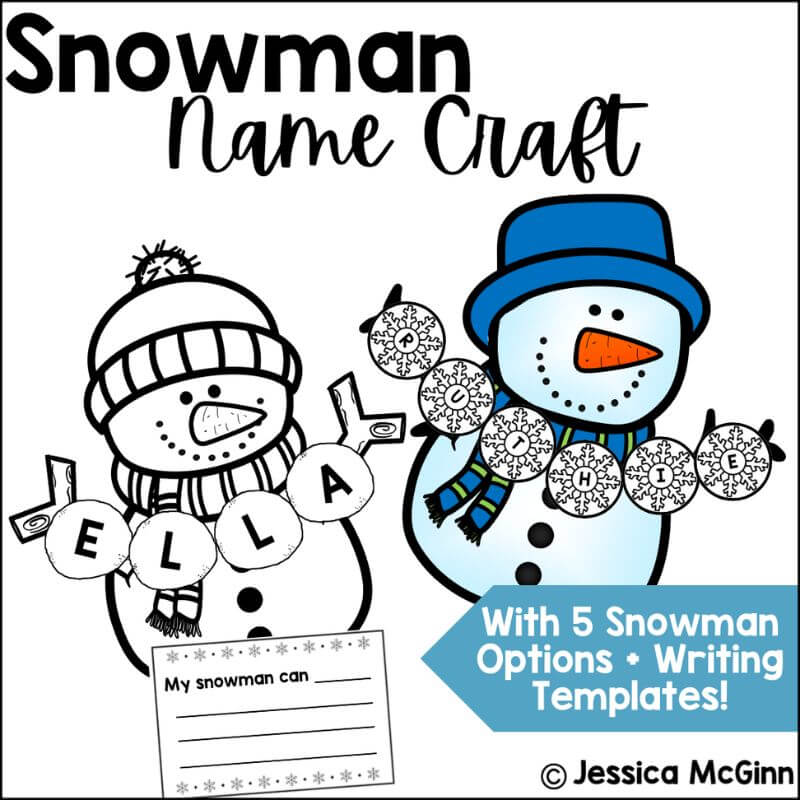
Want a fun way to make name practice exciting? This Snowman Name Craft is a class favorite!
How Name Practice Fits into Developmental Milestones
While we can start practicing name writing skills earlier, most kids don’t write their names perfectly until somewhere between 4 and 6 years old. Some may be ready towards the earlier side of the range, but if your little one is still working on this skill at 5 or 6 years old, try not to stress!
Recognizing their own name comes first. Lots of the ideas below will help you show your child their name in fun, meaningful ways. Writing comes later!
Having developmentally appropriate expectations will save you and your child a LOT of unnecessary anxiety. Focus on keeping the activities fun and low-pressure!
10 Fun, Low-Prep Ideas for Name Practice
These ideas are easy to set up, don’t require lots of fancy materials, and are engaging for children!
1. Name Tracing Sheets (Dry-Erase or Reusable)
Print a name tracing page and slide it into a sheet protector or laminate it. Kids can trace their name using dry-erase markers again and again without pressure to be “perfect.” This is a great option for morning work or quiet time.
2. Build-the-Name Crafts
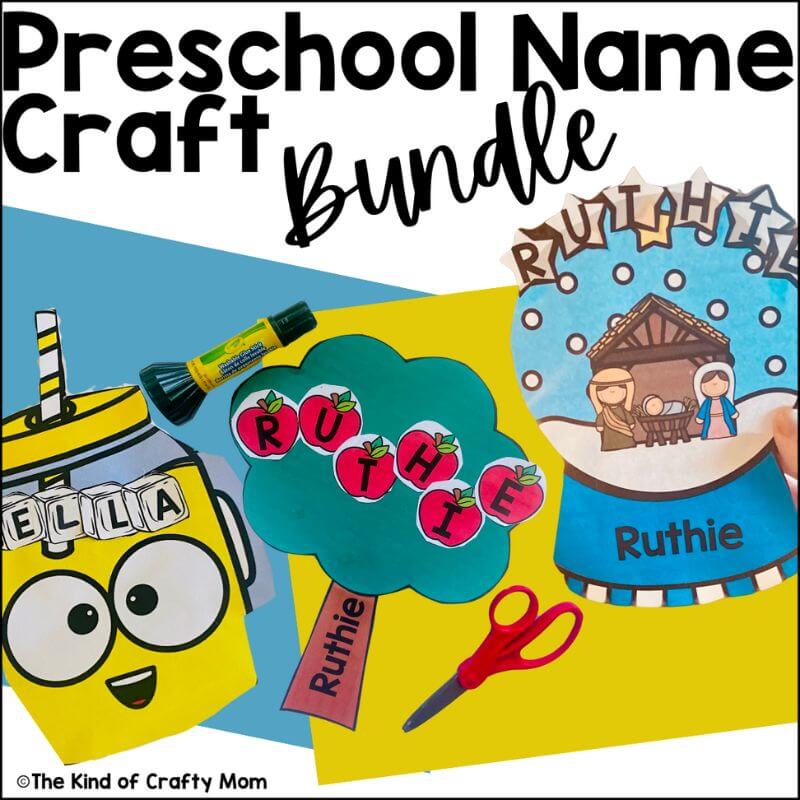
Cut-and-paste name activities help children focus on letter order without the added challenge of handwriting. Kids love assembling their name on a craft, and it gives them a finished project they’re proud to show off.


3. Sensory Writing
Invite children to “write” their name using sensory materials instead of pencils. Try:
- tracing letters in salt or sand
- forming letters with playdough
- writing names in rice or flour
This builds muscle memory while keeping things fun and stress-free.
4. Name Puzzles
Write each child’s name on a strip of paper, then cut it apart—one letter per piece. Mix the letters up and challenge children to put their name back together in the correct order. This makes a great center activity!
5. Magnetic Letters or Letter Tiles
Use magnetic letters or letter tiles to build names on a cookie sheet or magnetic board. Start by giving children just the letters in their name, then gradually add extra letters as they become more confident.
6. Playdough Name Mats
Write a child’s name in large letters on a mat and invite them to roll playdough “snakes” to form each letter. This strengthens hand muscles and supports proper letter formation in a low-pressure way.
7. Sticker Name Paths
Write each letter of a child’s name in bubble letters. Children trace the letters using small stickers, placing one sticker at a time along the shape. This is a favorite for kids who love fine motor challenges but aren’t ready for pencils yet.
8. Rainbow Writing or Marker Tracing
Have children trace or write their name multiple times using different colors. Each letter can be traced in a new color, making practice feel more like art than work.
9. Name Collages
Let kids decorate the letters of their name using crayons, markers, tissue paper, or dot markers. This is a great option for art time and works well with larger, bold letter outlines.
10. Seasonal Name Crafts
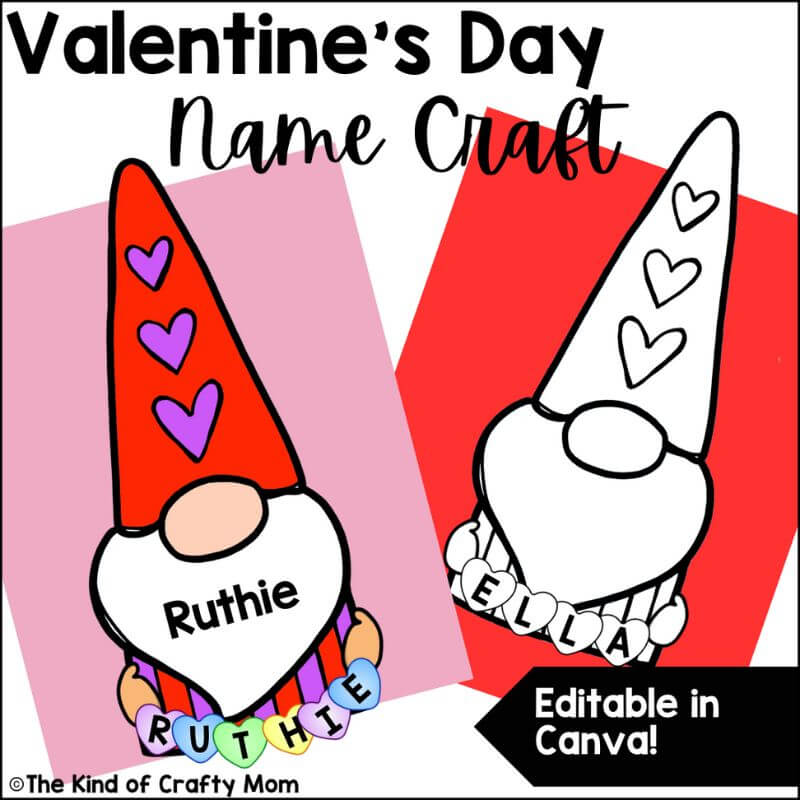
Tying name practice to seasons or themes makes it more exciting and meaningful. Snowmen, hearts, or themed characters help keep name practice fresh throughout the year—and kids love seeing their name displayed as part of a craft.
Tips for Teaching Name Writing the Right Way
- Start with writing in ALL CAPS if needed, and then transition to capital + lowercase. Capital letters are often easier for children to master.
- Don’t expect perfect formation right away. I am not a big fan of over-correcting, especially when your child is first learning a new skill.
- Focus on fun, process-based learning. Children are MUCH more likely to willingly practice a skill if they’re having fun!
- Model the correct formation instead of erasing. Try to stay calm encouraging – this comes easier for some parents than others, but it’s so important!
Name practice doesn’t have to be complicated! It’s one of the most developmentally significant (and confidence-building!) skills for preschoolers. And just a little bit of practice every day adds up!
If you’re looking for a fun, editable, print-and-go activity to use this week, my collection of seasonal name crafts might be helpful! They make great morning work, centers, or take-home projects.
Which of these name practice ideas will you try in your preschool classroom or at home? Comment below or tag Instagram – I’d love to hear about it!